Gardeners tree removal permits Barnet Council explained: a practical guide for homeowners and garden projects
If you are planning tree work in Barnet, the permit side of things can feel oddly bigger than the tree itself. One minute you are thinking about light, roots, safety, or a garden redesign; the next you are wondering whether you need permission, who applies, and what happens if you get it wrong. This guide to Gardeners tree removal permits Barnet Council explained is here to make that whole process calmer, clearer, and a lot less frustrating.
We will walk through when tree removal or pruning may need approval, how council controls typically work, what homeowners should check before any cutting starts, and how a sensible tree surgeon or gardener can help you avoid expensive missteps. If your garden needs more than a tidy-up, you may also find it useful to look at our tree surgery services and the broader gardening services we provide.
And yes, there is a proper way to approach this without feeling like you need a law degree. Let's keep it practical.
Table of Contents
- Why Gardeners tree removal permits Barnet Council explained matters
- How the permit process works
- Key benefits and practical advantages
- Who this is for and when it makes sense
- Step-by-step guidance
- Expert tips for better results
- Common mistakes to avoid
- Tools, resources and recommendations
- Law, compliance, standards and best practice
- Options, methods and comparison table
- Case study or real-world example
- Practical checklist
- Conclusion
- Frequently asked questions
Why Gardeners tree removal permits Barnet Council explained matters
Tree removal is not just a gardening job. In many parts of London, trees can be protected by local controls, planning rules, or conservation restrictions. Barnet is no exception. That means the decision to remove a tree may be influenced by the tree's size, species, location, visible value, and whether it has any formal protection attached to it.
For homeowners, this matters because the risk is not only practical, it is financial and legal too. A tree that looks straightforward from the kitchen window might still be protected. A job that begins as a quick clearance can turn into an enforcement headache if you cut first and ask later. To be fair, that is exactly the kind of thing that catches people out on a wet Tuesday afternoon when they are trying to sort the garden before the weekend.
The real value of understanding permit rules is simple: you can plan the work properly. That means you can budget better, avoid delays, keep neighbours informed, and make sure the tree work supports the rest of the garden design rather than creating a problem you did not mean to create.
It also helps you make better choices. Sometimes the answer is not removal at all. A tree may need crown reduction, deadwood removal, better pruning, or a careful reshaping rather than full felling. If you are weighing up those options, our landscaping and garden maintenance pages may give you a sense of how tree work fits into a wider outdoor plan.
Key takeaway: in Barnet, tree removal should always be checked against local protections before work starts. The safest route is to confirm status first, then plan the work around it.
How Gardeners tree removal permits Barnet Council explained works
The process usually begins with a simple question: does this tree need permission before it is removed or significantly altered? The answer depends on what type of protection may apply. In practical terms, there are a few common scenarios you should think about.
1. Tree Preservation Orders and protected trees
If a tree is protected by a Tree Preservation Order, you generally cannot cut it down, top it, lop it, uproot it, or damage it without the proper consent. That does not mean work is impossible. It means the work needs to be justified and approved in the right way. A good tree professional will always check this before starting.
2. Conservation areas
Even if a tree is not subject to an individual order, it may still be protected because it is in a conservation area. In that case, tree work often needs notice to be given before work begins. The exact approach can vary, so do not assume that a lack of visible signage means there are no controls. Some of the most expensive mistakes happen when people assume the rules are only for "important" trees. They are not.
3. Planning conditions or site-specific restrictions
Sometimes tree protection comes through planning permission for the property or development. If the tree sits near a new extension, boundary treatment, or recent building work, the original planning paperwork may matter. A homeowner may forget this, but the council often does not.
4. Emergency situations
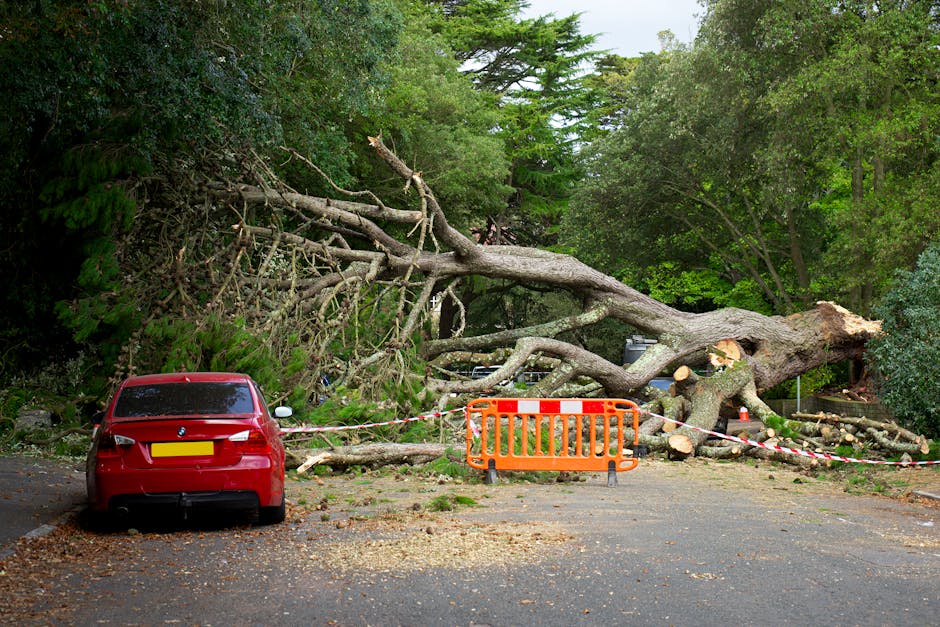
If a tree is in immediate danger of failing or causing harm, emergency work may be possible. Still, this is not a free pass to do whatever seems quickest. Sensible practice is to document the issue, take photos, and keep a clear record of why the work was necessary. If a storm has left a tree leaning over a fence or driveway, the priority is safety first, paperwork second, but paperwork still matters.
The best way to think about the process is this: verify the tree's status, decide whether permission or notice is needed, then plan the removal or reduction with proper evidence and timing. A reputable contractor should help with that. If you are comparing wider support options, our pricing and quotes page is a sensible place to start the conversation.
Key benefits and practical advantages
Getting the permit side right is not just about avoiding trouble. It creates a smoother project from start to finish.
- Less risk of enforcement: you reduce the chance of fines, complaints, or being told to replace a tree after the fact.
- Clearer project planning: once permission is sorted, you can schedule the work, machinery access, waste removal, and any follow-up planting.
- Better design decisions: you can decide whether full removal, pruning, or a staged approach gives the garden the best long-term result.
- Improved safety: approved work is usually carried out more carefully and with clearer responsibilities.
- Neighbour confidence: people tend to worry less when they know a proper process is being followed.
There is another benefit people overlook: it often forces a better conversation about the tree itself. Do you actually need it gone, or do you need more light, less shade, better airflow, or roots managed more carefully? In many gardens, the answer is not absolute. A tree might be shaping the whole space in ways you have stopped noticing.
For example, in a compact garden, removing one heavily shaded tree may open the space up for seating, planting, or even better lawn health. But in another garden, that same tree may be doing valuable work as a windbreak or privacy screen. If privacy and shelter matter, have a look at our fast hedge options and wind protection guide for alternative ways to structure the space.
Who this is for and when it makes sense
This topic is relevant to a surprisingly wide mix of people.
- Homeowners who want to remove a tree for safety, shade, subsidence concerns, or garden redesign.
- Landlords and property managers who need to keep outdoor areas safe and well maintained.
- Developers and renovators whose site work could affect protected trees or trees near boundaries.
- Gardeners and landscapers planning major changes to planting layouts, access, or levels.
- Neighbours and shared-boundary owners who need to understand where responsibility begins and ends.
It makes sense to focus on permits when a tree is large, close to a property, in a front garden, near a road, or part of an older streetscape. It also makes sense when there is any doubt at all. Honestly, "I think it's probably fine" is not a great strategy here.
If the tree is tied up with hedge lines, screening, or garden structure, you may also want to look at our hedge trimming page. Sometimes a tree issue is really a boundary planting issue in disguise.
Step-by-step guidance
Here is the practical version of what to do before any tree removal starts.
- Identify the tree clearly. Note its location, approximate height, species if known, and whether it looks healthy, dead, dangerous, or overgrown.
- Check whether protection may apply. Think about Tree Preservation Orders, conservation area controls, and planning-related restrictions.
- Gather evidence. Take photos from several angles, especially if the tree is causing damage or safety concerns. Keep notes on what you can see.
- Decide the real objective. Is the tree being removed, or does it just need reduction, lifting, or thinning?
- Get professional input. A competent tree surgeon can help assess risk and advise on the least disruptive solution.
- Confirm what paperwork is needed. Depending on the tree's status, you may need a formal application, prior notice, or another council process.
- Plan the work window. Consider neighbours, access for tools or waste, bird nesting season, and weather. A dry day helps. A windy one does not.
- Carry out the work carefully. If approved, the removal should be controlled, tidy, and safe, with attention to nearby structures and roots.
- Finish with aftercare. Think about stump treatment, replacement planting, ground repair, or redesign so the garden does not look abruptly cut off.
The simplest version? Check first, cut later. It sounds obvious. It saves a lot of grief.
If you are unsure about the right route, our contact page is the quickest way to speak with a specialist before a job is booked in.
Expert tips for better results
Over time, the best tree work outcomes tend to come from a few unglamorous habits. Not flashy. Just solid.
- Start with the tree's function, not just its size. Shade, privacy, shelter, wildlife value, and visual balance all matter.
- Use pruning before removal where possible. A lighter intervention may solve the issue and preserve the garden's shape.
- Think about what the tree is hiding or protecting. Removing it might reveal a dull fence or expose a seating area to wind.
- Keep records. If there is any council involvement, store emails, photos, dates, and notes in one place.
- Match the solution to the season. Winter access can be easier, but very wet ground can make the site messy and compacted.
- Plan for replacement planting if appropriate. Sometimes the garden benefits from a different specimen or a structural shrub instead.
A small but useful insight: the right tree job often improves the rest of the garden more than people expect. Better light can help turf recover, deepen planting colour, and even make patios feel more welcoming. That is why tree work often sits alongside lawn care and patio cleaning in a broader garden refresh.
And if your garden has become a bit unruly around the edges, it can help to look at the bigger picture with ideas for neglected outdoor spaces. Sometimes the tree is just one part of the story.
Common mistakes to avoid
This is where many people trip up. Usually not because they are careless, but because they are rushing.
- Assuming all garden trees are unprotected. That is the classic mistake. If in doubt, check.
- Removing first and asking questions later. This can create serious problems if the tree was protected.
- Ignoring the difference between removal and pruning. Councils can treat these differently, so the wording matters.
- Forgetting shared boundaries. Trees near fences, driveways, or neighbouring land can create dispute if communication is poor.
- Using an unqualified operator. Tree work is not the place for guesswork with a ladder and a saw. Let's face it, that never ends well.
- Failing to plan disposal. Branches, timber, and stump waste add time and cost if they are not factored in.
- Not thinking about the garden after the tree is gone. Full sun, exposed borders, and bare soil can change the site fast.
One practical example: a homeowner wants a conifer removed because it blocks afternoon light. The work is done, but no one plans for the sudden exposure. The result is scorched planting, a muddy patch, and a fence line that looks harsher than before. The tree was not the only issue; the transition was. That is the bit people miss.
Tools, resources and recommendations
When tree removal is under discussion, the most useful resources are often the least dramatic ones.
- Site photos and measurements to document the tree's position and condition.
- A simple garden plan showing fences, sheds, paths, roots, and nearby structures.
- Notes on symptoms such as leaning, dead limbs, decay, heave around roots, or blocked access.
- A written quote that clearly distinguishes felling, pruning, stump work, and waste clearance.
- Evidence of communication if neighbours may be affected.
For broader planning, it can also help to think about the next stage of the garden once the tree work is done. If you want a softer replanting route, our articles on ground covers and keeping ivy out of your yard can help you prevent the space from becoming bare or overrun again.
And if the new open space is going to be used for seating or entertaining, you might enjoy our guide to outdoor seating arrangements. Little changes like that can make the area feel deliberately designed instead of just "recently cleared".
Law, compliance, standards and best practice
Tree work in Barnet should be approached with a careful, compliant mindset. Without pretending every case is identical, the main principle is straightforward: protected trees and trees in regulated areas should not be altered without the correct consent or notice.
Best practice in the UK tree care sector usually includes:
- checking protection status before work begins;
- keeping the scope of work clear and proportionate;
- using competent, insured contractors;
- working safely around people, property, and utilities;
- documenting why work is necessary, especially if safety is involved.
If the situation touches insurance, boundary disputes, or access issues, it is worth being even more methodical. Photos, dates, and a written summary can prevent a "he said, she said" situation later. Nobody enjoys that. Nobody.
Best practice also means respecting wildlife and the wider garden ecosystem. Bird nesting season, for example, can change how and when work should be planned. Even where a permit is not required, the job still needs to be timed responsibly. If climate resilience or wildlife-friendly design matters to you, our gardening and climate change article is worth a look.
Options, methods and comparison table
Not every tree issue calls for removal. Here is a simple comparison to help you think through the choices.
| Option | Best for | Typical upside | Main caution |
|---|---|---|---|
| Full removal | Dead, dangerous, or badly placed trees | Maximum light, access, and redesign freedom | May need permission and can leave a bare, exposed space |
| Selective pruning | Overgrowth, shade, and light obstruction | Preserves structure while improving function | Needs skill to avoid weak regrowth or imbalance |
| Crown reduction | Large trees needing size control | Improves proportion and reduces weight | Must be done carefully to avoid stress to the tree |
| Pollarding or staged management | Long-term managed trees in suitable settings | Controlled ongoing maintenance | Not suitable for every species or garden |
| No immediate action | Healthy trees with no pressing issue | Maintains habitat, shade, and visual maturity | Problems can worsen if monitoring is neglected |
This comparison is useful because it stops people jumping straight to felling when a lighter intervention would do. A lot of good garden work is simply choosing the least disruptive fix that still solves the problem.
Case study or real-world example
Imagine a typical Barnet garden with a mature tree near the rear boundary. The tree has grown into the neighbour's light, dropped leaves into the gutters, and started to shade a seating area that was meant to be used after work in the evening. The owner assumes removal is the answer.
On inspection, however, the tree appears to be protected, and the real issue is a mix of shade, spread, and low branches rather than complete failure. The first sensible step is not the saw. It is checking status and considering whether a well-designed reduction can improve the garden without removing the tree altogether.
After assessment, the homeowner chooses a smaller intervention: careful pruning, a cleaner canopy line, and new planting beneath to prevent the area from looking empty. The result is better light, a more usable patio, and less conflict at the boundary. Not perfect, maybe. But much better, and far more sustainable than a rushed removal.
That kind of measured approach is often the sweet spot in real life. Gardens are not static, and trees are rarely just obstacles. They are part of the structure of the place.
Practical checklist
Use this before booking or carrying out any tree removal work in Barnet.
- Identify the tree and take clear photos.
- Check whether a Tree Preservation Order may apply.
- Check whether the property is in a conservation area.
- Review any planning conditions attached to the site.
- Decide whether removal, pruning, or reduction is the real goal.
- Get a written assessment from a competent tree professional.
- Confirm what council approval or notice is needed before work starts.
- Consider neighbour impact, access, and waste disposal.
- Plan replacement planting or aftercare if the tree is removed.
- Keep records of everything, just in case.
If your garden also needs wider tidying once the tree work is complete, the next sensible step may be a combined visit covering maintenance, fencing, or lawn mowing so the site feels finished rather than half-done.
Get a free quote today and see how much you can save.
Conclusion
Tree removal permits can sound bureaucratic at first, but once you break them down, they are mostly about common sense: protect valuable trees, prevent avoidable damage, and make sure serious work is done properly. In Barnet, that means checking the tree's status before a single cut is made, then choosing the lightest, safest, and most sensible option for the garden.
If you remember nothing else, remember this: a careful check now is far cheaper than a problem later. And in a real garden, with real weather, uneven ground, awkward branches, and neighbours who notice everything, that little bit of caution goes a long way. It really does.
When you are ready to plan the work properly, a good local team can help you move from uncertainty to a clear, manageable plan. That is usually where the stress drops away.
Frequently Asked Questions
Do I need permission to remove a tree in Barnet?
Sometimes, yes. If the tree is protected by a Tree Preservation Order, or if it is in a conservation area, you may need permission or formal notice before work begins. The safest approach is to check first rather than assume.
How do I know if a tree is protected?
You usually need to check the property status and the tree's location against local protections. A tree surgeon or experienced gardener can help assess the situation, especially if the tree is mature or near a boundary.
Can I prune a protected tree instead of removing it?
Possibly, but even pruning can need consent if the tree is protected. The key point is that protected trees are controlled for alteration as well as removal, so do not treat pruning as automatically free to do.
What happens if I remove a protected tree without permission?
That can lead to serious consequences, including enforcement action. The exact outcome depends on the circumstances, but the risk is enough that it is never worth gambling on a guess.
Is emergency tree removal allowed?
If a tree poses an immediate safety risk, emergency action may be possible. Even then, keep clear records, photographs, and a sensible explanation of why the work could not wait. Safety first, paperwork right behind it.
How long does the permit or notice process take?
It varies depending on the protection type and the details of the case. Some situations are straightforward, others take longer. If timing matters, get advice early so you do not leave the job too late in the season.
Will Barnet Council always refuse tree removal?
No, not necessarily. Each case depends on the tree's status, condition, location, and the reasons for the proposed work. A justified application or notice can still result in approval where the circumstances support it.
Should I get a tree surgeon or a gardener first?
For anything involving safety, height, large limbs, or possible protection, a tree professional should be involved early. Gardeners can help with the wider plan, but tree-specific decisions need tree-specific experience.
What if the tree belongs to a neighbour?
Do not cut it yourself without clear permission and a clear understanding of ownership. Shared or boundary trees can be complicated, and a quick fix can become a neighbour dispute very fast.
Can tree removal improve my garden design?
Absolutely. More light, better airflow, and a cleaner boundary can open up planting and seating ideas. The trick is to plan the follow-up work so the space feels intentional, not empty.
Do I need to replace a removed tree?
Not always, but replacement planting is often a good idea, especially in larger gardens or where tree loss affects privacy, shelter, or visual balance. A smaller tree, hedge, or layered planting scheme may work well.
How do I get help with Barnet tree removal planning?
Start with a proper assessment, then discuss the practical route for approval, removal, or pruning. If you want help shaping the next step, our about us page gives a sense of who we are, and the contact page is there when you are ready to talk it through.